Chocolate hampers are the perfect way to say “thank you,” “congratulations,” or “just because.” But when do chocolate hampers expire? It’s a question that’s as common as asking whether a chocolate bar can survive a trip to the grocery store. In this article we’ll dig into the science behind chocolate’s longevity, explore the factors that influence shelf life, and give you practical tips to keep your hamper fresh for as long as possible. By the end, you’ll know exactly how to read labels, store your treats, and avoid the dreaded “melted puddle” that turns a gift into a sad, gooey mess.
Understanding Chocolate: The Basics of Expiration
Chocolate is a complex food matrix. It’s not just cocoa and sugar; it contains milk solids, fats, and sometimes nuts, fruit, or spices. Each component reacts differently to heat, light, and air.
What Makes Chocolate Perish?
- Fat oxidation – the cocoa butter in chocolate can go rancid when exposed to oxygen. Moisture absorption – chocolate can pick up humidity, leading to bloom (white or brown spots). Temperature fluctuations – repeated heating and cooling cause the chocolate to melt and refreeze, altering texture and flavor.
These processes are slow, which is why chocolate can last months or even years if kept in the right conditions. However, a chocolate hamper is a collection of items with varying sensitivities, so the overall shelf life can be shorter.
The Role of Packaging
Packaging is the first line of defense against spoilage. Vacuum‑sealed or nitrogen‑filled bags reduce oxygen contact, while foil wraps block moisture and light. Many chocolate hampers come with a “best‑by” date stamped on the outer box. That date is a guideline, not a hard cutoff. If stored properly, you can enjoy the treats beyond that date, but the quality may decline.
Factors That Influence Chocolate Hamper Shelf Life
Several variables determine how long a hamper remains delightful.
Ernest HillierTemperature and Humidity
Chocolate thrives in a cool, dry environment. Ideally, store it between 15 °C and 20 °C (59 °F and 68 °F). If the temperature rises above 25 °C (77 °F), the chocolate’s fats begin to melt, leading to bloom and a greasy mouthfeel. High humidity can cause the chocolate to absorb moisture, accelerating spoilage.
Chocolate Types and Fillings
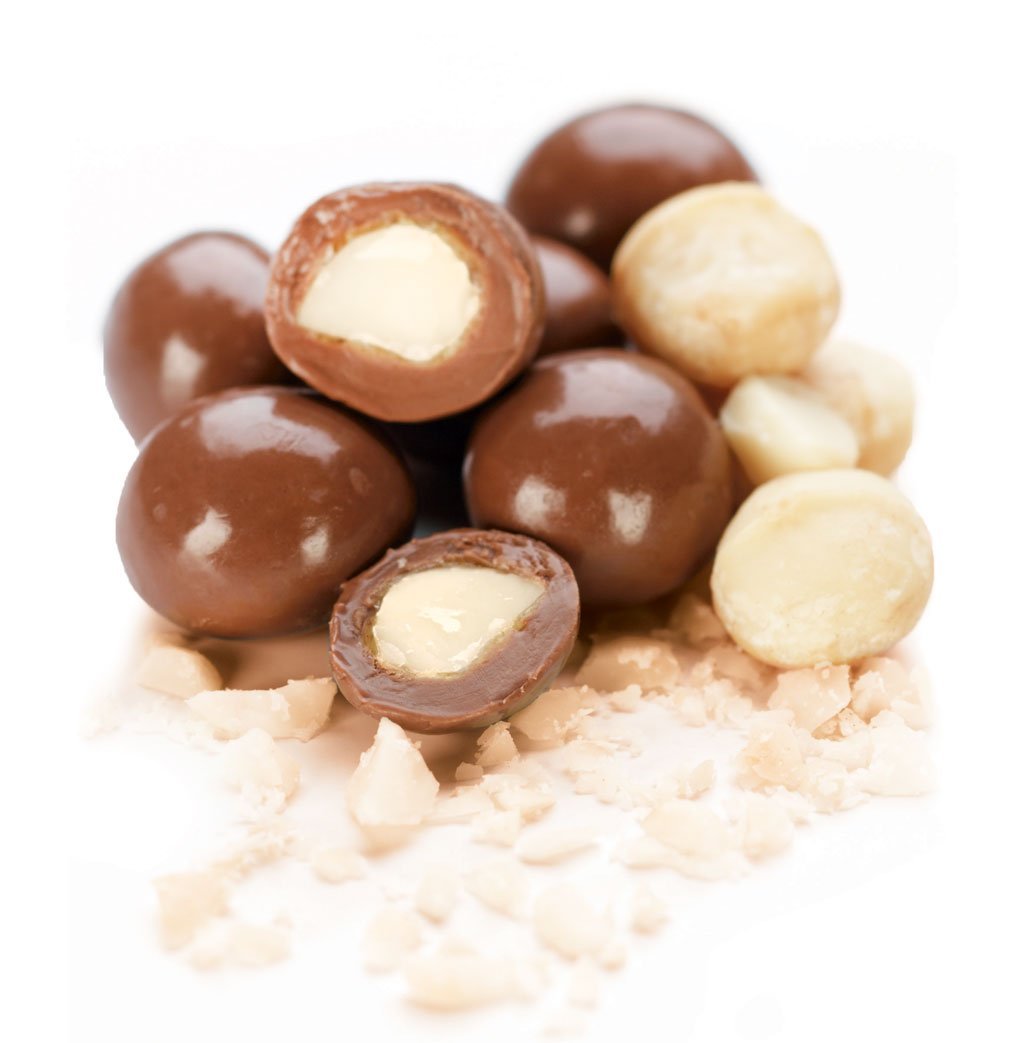
- Dark chocolate – contains the least milk solids, making it more resistant to spoilage. It can last up to 2 years if kept cool. Milk chocolate – more susceptible due to milk fat and sugar. Expect a shelf life of 1–2 years. White chocolate – highest fat content; best kept under 2 years. Filled chocolates – nuts, fruit, or caramel introduce additional moisture and can reduce shelf life to 6–12 months.
Storage Conditions
- Avoid the fridge – the cold, humid environment can cause condensation and bloom. Keep away from strong odors – chocolate is porous and will absorb smells from nearby foods. Don’t expose to direct sunlight – UV rays degrade cocoa butter and can alter flavor.
Reading the Label: How to Spot Expiry
Not all dates on chocolate hampers mean the same thing. Understanding the difference between “best‑by” and “use‑by” dates can save you from disappointment.
Best‑By vs. Use‑By
- Best‑by – indicates when the product will be at its peak quality. Chocolate can still be safe after this date if stored correctly. Use‑by – a stricter date, often used for perishable items. Chocolate rarely has a use‑by date, but if it does, don’t consume it past that point.
Signs of Spoilage
- Bloom – white or brown spots on the surface. It’s harmless but signals moisture or fat separation. Off‑smell – rancid or sour odor indicates fat oxidation. Texture changes – a gritty or chalky feel can mean the chocolate has lost its smoothness. Taste – a metallic or sour bite is a red flag.
If you notice any of these signs, it’s safer to discard the chocolate.
Practical Tips to Extend the Life of Your Hamper
A few simple habits can double or triple your hamper’s shelf life:
- Store in a cool, dry pantry away from ovens and dishwashers. Keep the original packaging intact; it protects against air and light. Use a silica gel packet if you live in a humid climate. Avoid opening the hamper until the moment you’re ready to give it away. Rotate stock – use older items first, just like a pantry rotation system.
When Do Chocolate Hampers Expire? Quick Answers
| Chocolate Type | Typical Shelf Life (if stored properly) |
|----------------|----------------------------------------|
| Dark chocolate | 2 years |
| Milk chocolate | 1–2 years |
| White chocolate | 1–2 years |
| Filled chocolates | 6–12 months |
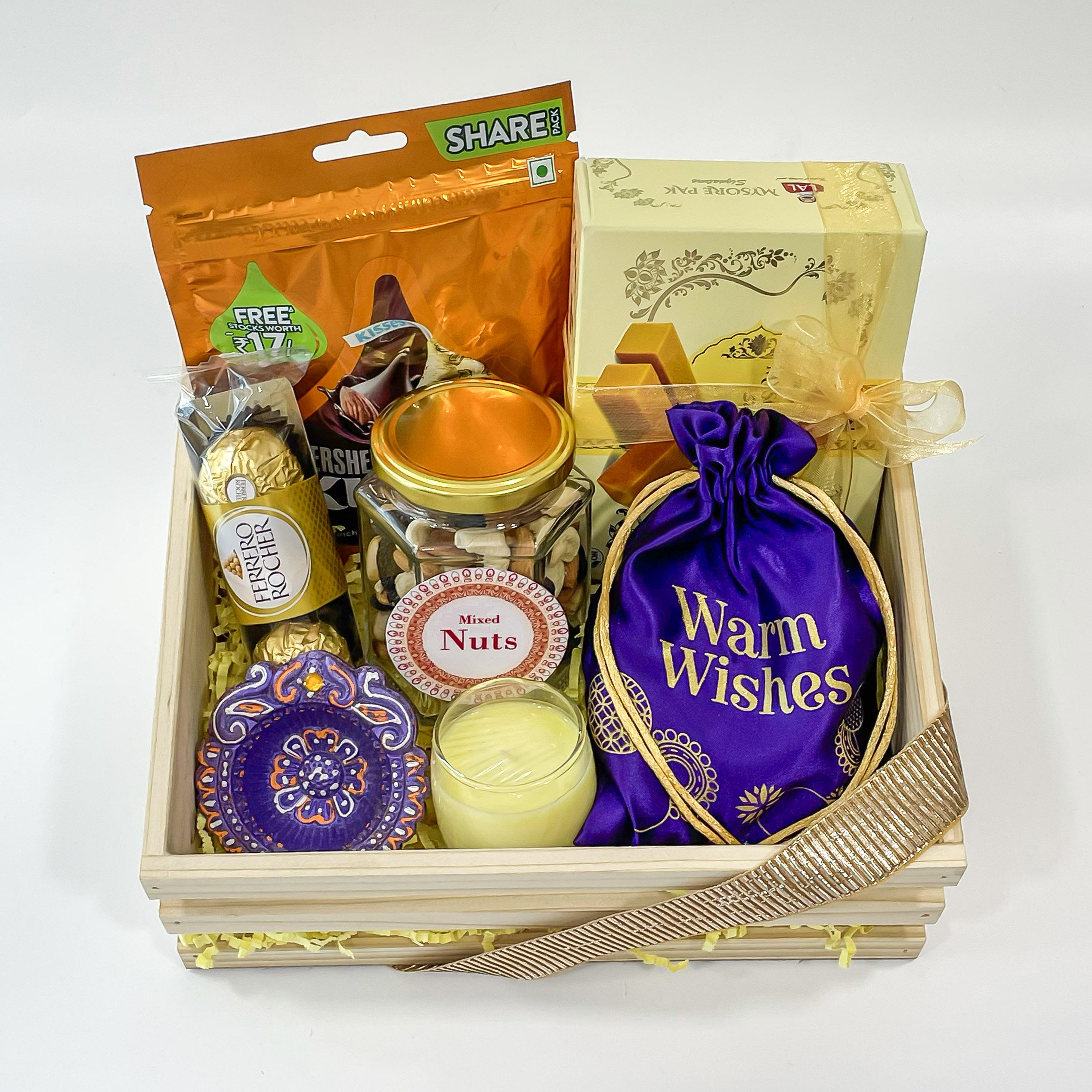
| Whole‑hamper (mixed) | 6–12 months |
These ranges assume a storage temperature of 15–20 °C and low humidity. If you live in a warmer or more humid area, expect shorter shelf life.
The Perfect Gift Awaits: Choosing and Storing Your Chocolate Hamper
Choosing a chocolate hamper is like picking a bouquet: you want a mix of flavors, textures, and aromas that will delight the recipient. But the real artistry lies in keeping it fresh until the moment of delivery.
I once bought a hamper for a friend’s birthday. I was so excited that I didn’t read the “best‑by” date—only to find it had expired a month earlier. The chocolate was still edible, but the melt‑puddle looked like a sad, gooey mess. Lesson learned: read the date, store properly, and enjoy the moment.
“Chocolate is a love letter to the senses,” says renowned chocolatier Pierre Hermé. When you treat someone to a hamper, you’re sending a message that goes beyond the sweet: it’s a gesture of care, thoughtfulness, and a little indulgence.
Ever wondered why your chocolate turns into a sad, melted puddle? It’s all about temperature, humidity, and the fragile balance of fats and sugars. Do you think a chocolate hamper can outlive its date? Absolutely, if you follow the right storage practices. But remember, the longer it sits, the more its flavor profile changes—sometimes for the better, sometimes for the worse.
When you’re ready to give that hamper, consider the environment: a cool, shaded spot or a quick trip to the office. If you’re traveling, pack the hamper in a cooler bag with an ice pack—just remove the ice pack a few minutes before gifting so the chocolate isn’t too cold.
In the end, the goal isn’t just to avoid spoilage; it’s to create an experience that tastes as good as it looks. With the right knowledge, you can keep your chocolate hamper fresh, https://www.instapaper.com/read/1914863181 your gift memorable, and your recipient smiling. Enjoy the sweet journey, and let every bite be a reminder that a little chocolate can make any day a little brighter.